 Oral Care
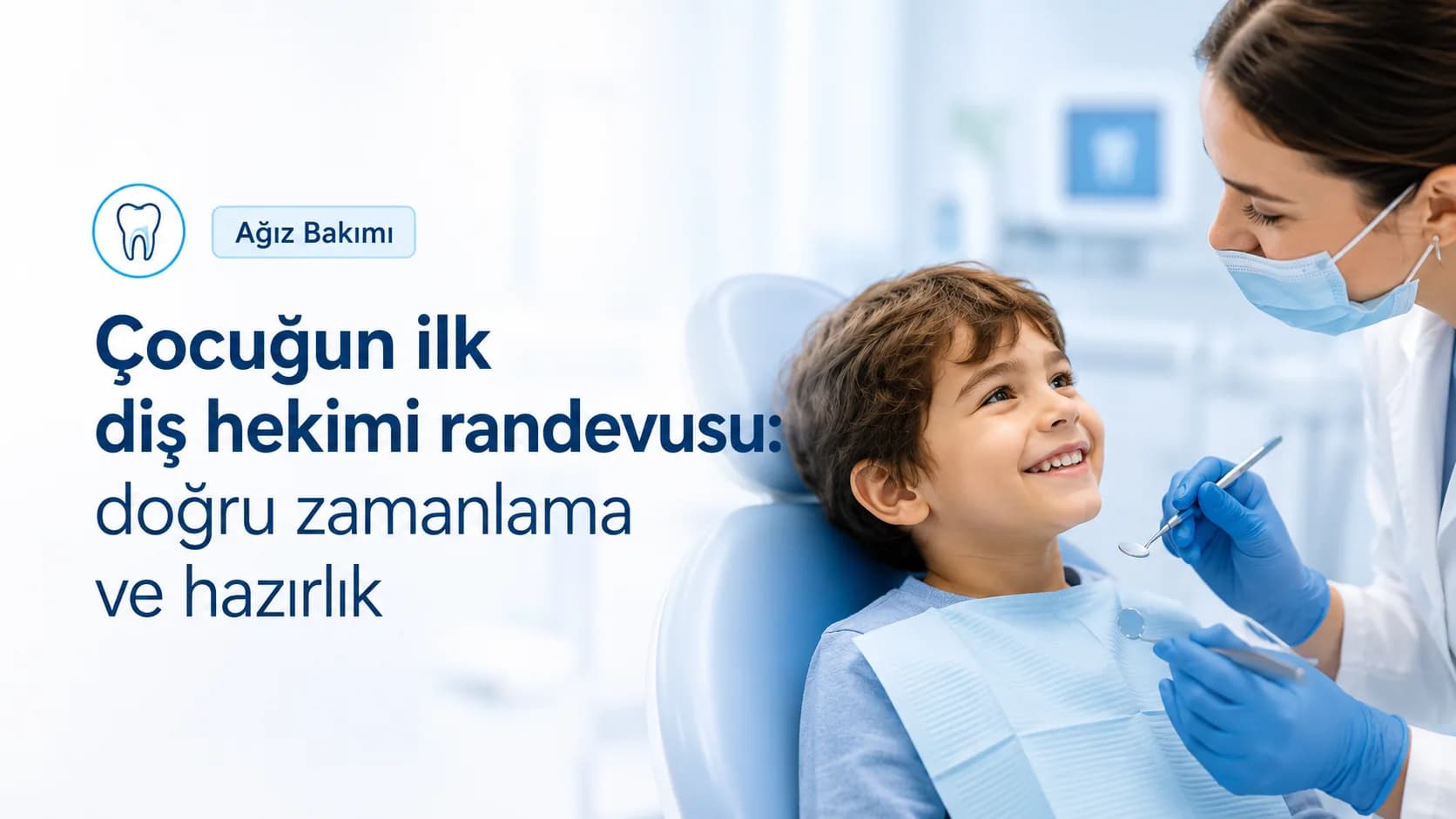
Your child's first dental visit: timing and preparation
When to schedule the first appointment, how to prepare at home, and which phrases to avoid — a practical guide for families.
1 min read
At our clinic in Caddebostan, every treatment — from general dentistry to paediatric dentistry — is followed from start to finish by the same team. Before any procedure, we talk through what will be done and why, together and in plain language.
Appointments are placed according to the time each treatment needs — nothing is squeezed into the queue.
An illustrative day plan. Times come from the clinic's working hours and treatment names from this site's content; it contains no real appointment records.
You do not need to know which treatment you need. Pick whichever line below sounds closest to your situation — the relevant treatments and what to expect are explained there.
It might be sensitivity to hot and cold, a throbbing ache, or pain when you bite down. The first step is working out where it's coming from — decay, the nerve, or the gum.
See related treatmentsA gap left by an extraction or a lost tooth can be a concern. Bone volume is assessed first, and implant, bridge and denture options are then discussed together.
See related treatmentsIt could be colour, shape, uneven length or gaps between teeth. Gum health and decay are checked first, then whitening, bonding, veneers or zirconia are considered.
See related treatmentsThis can show up as crowding, a bite that's off, or a jaw mismatch. Once measurements are taken, clear aligner and brace options are discussed together.
See related treatmentsYou might notice bleeding while brushing, bad breath, or gums pulling back. Scaling is planned, with periodontal treatment added if it's needed.
See related treatmentsThis covers the first examination, decay in baby teeth, fissure sealants and fluoride application. Children's appointments are paced so nothing feels frightening.
See related treatmentsEvery treatment begins with an examination, radiographic assessment and a conversation about the alternatives. Each page below sets out the procedure, how long it takes and what to watch for afterwards.
 Implants & Oral Surgery
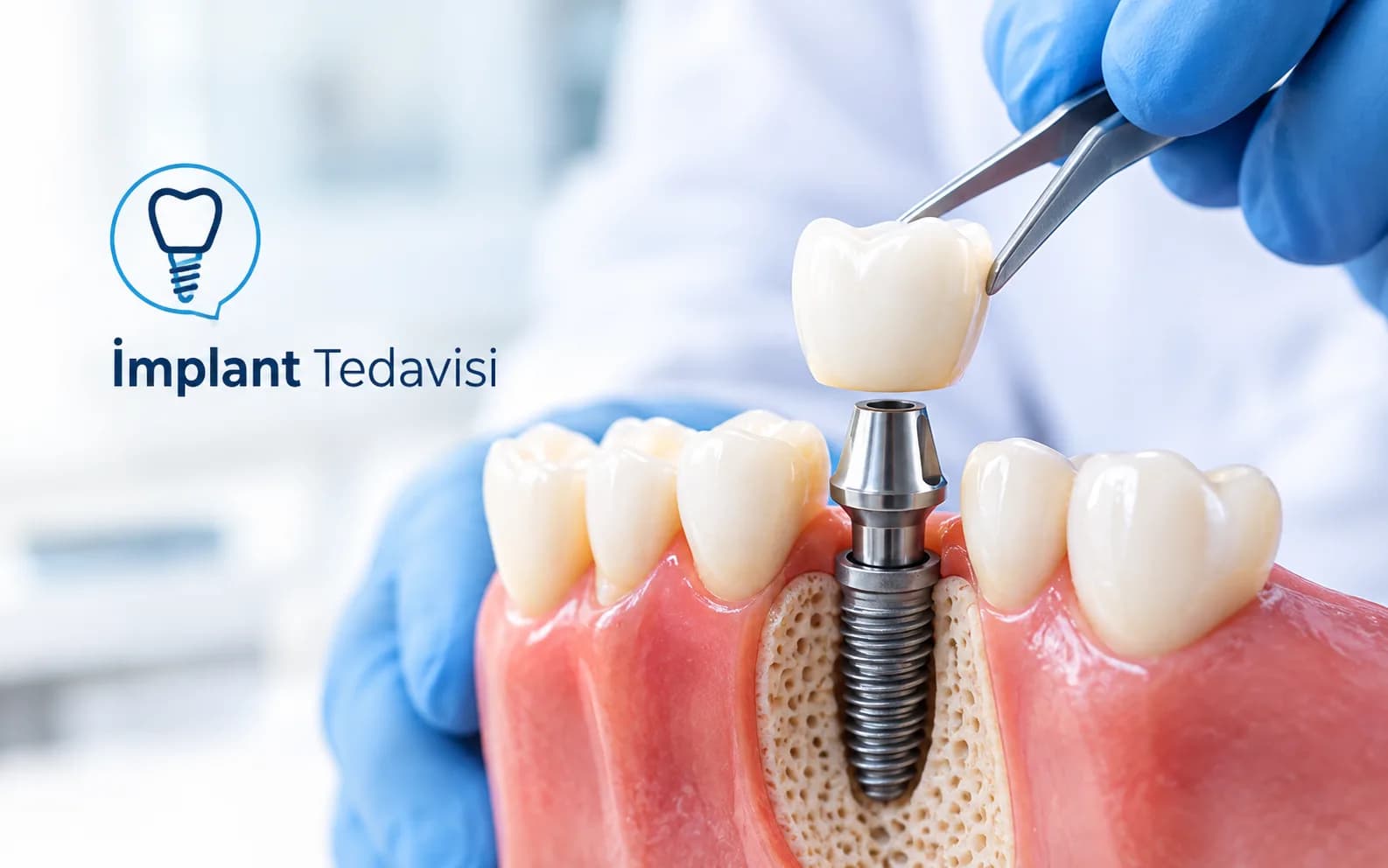
A titanium screw fixed into the jawbone in place of a missing tooth root, topped with a crown, bridge or denture to restore chewing function.
 Cosmetic Dentistry
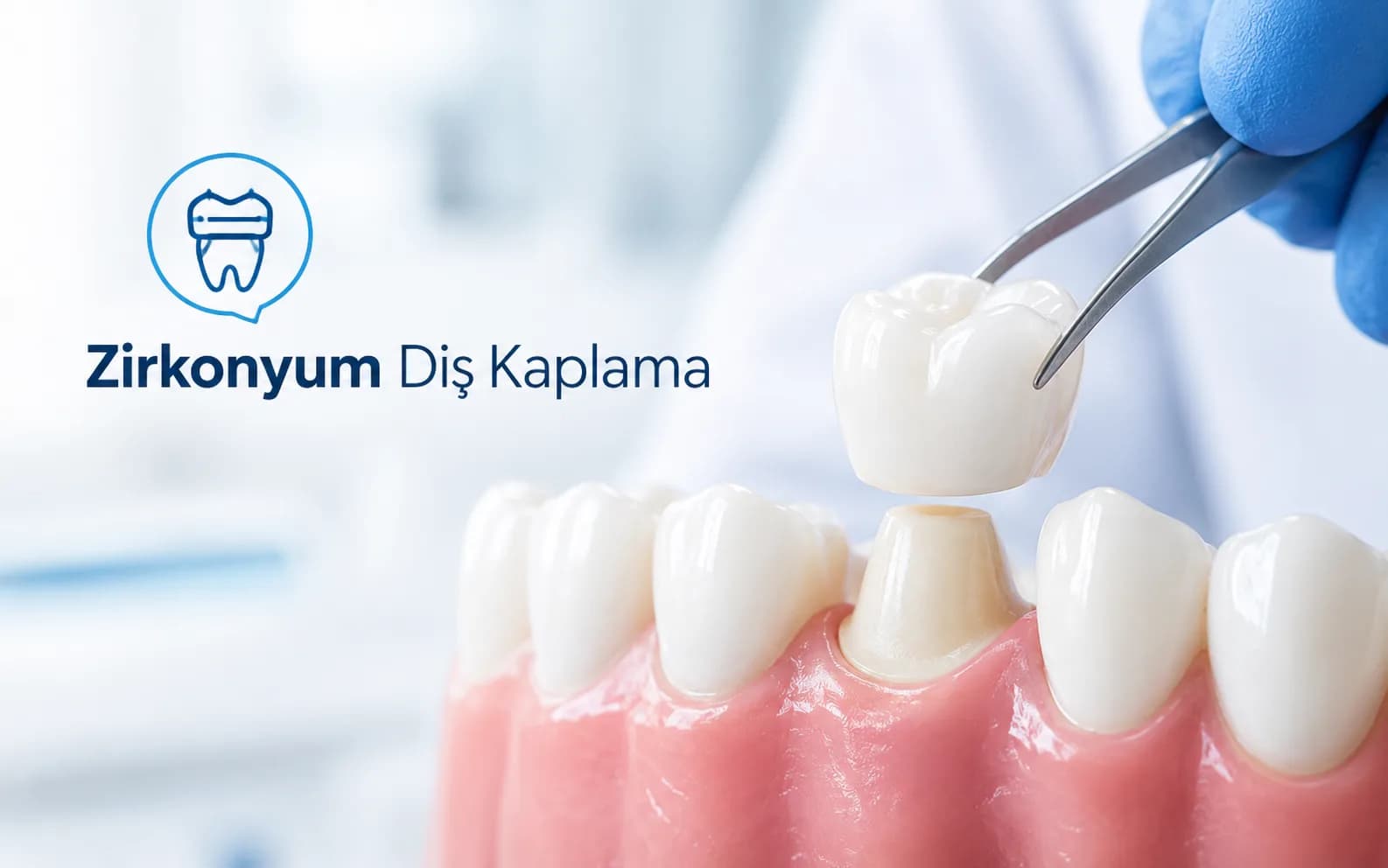
Metal-free crowns built on a zirconia core that transmit light much like a natural tooth, used to restore teeth with significant loss of structure.
 Cosmetic Dentistry
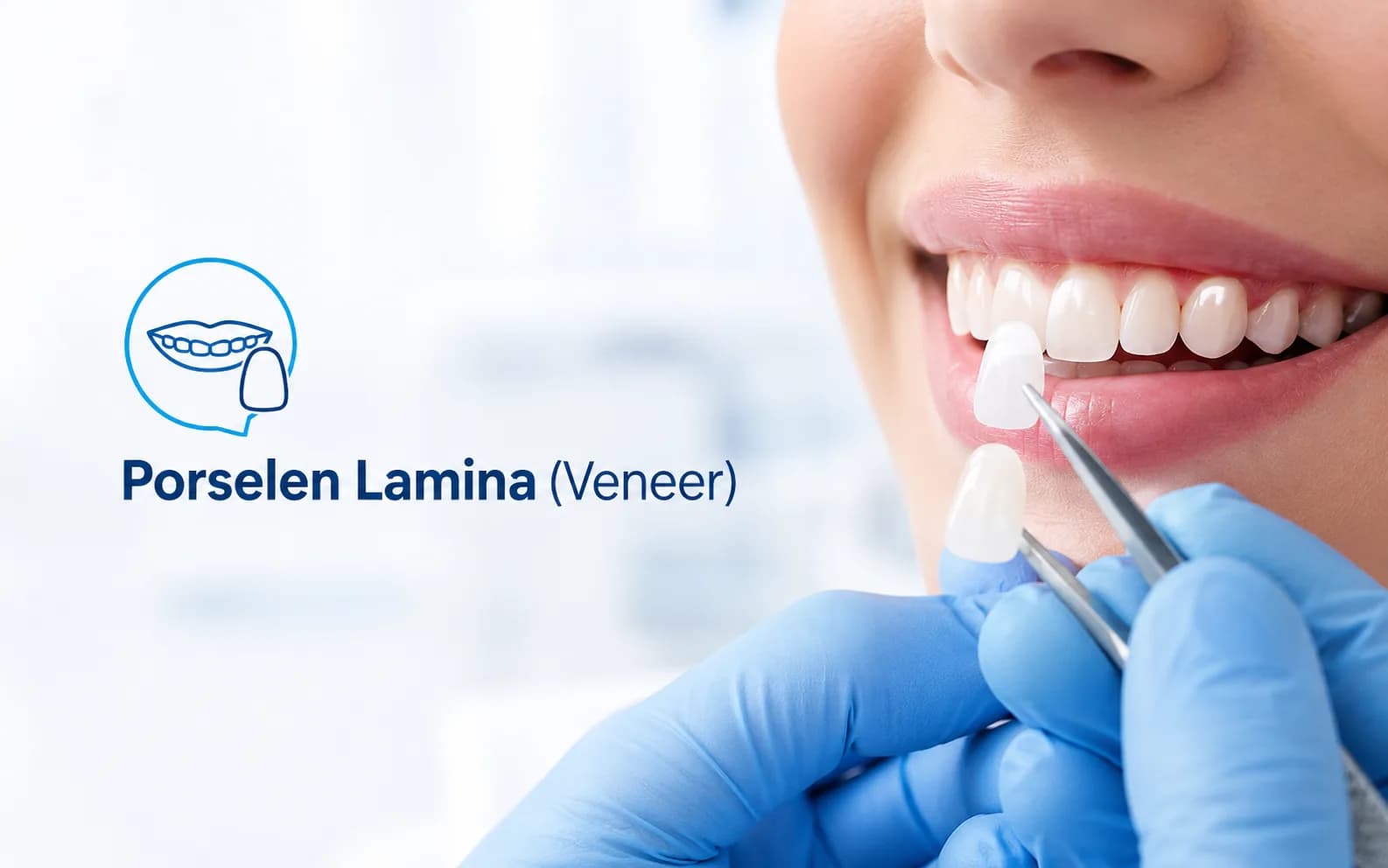
Thin porcelain shells bonded to the visible face of the front teeth to correct colour, shape and small gaps.
 General Dentistry
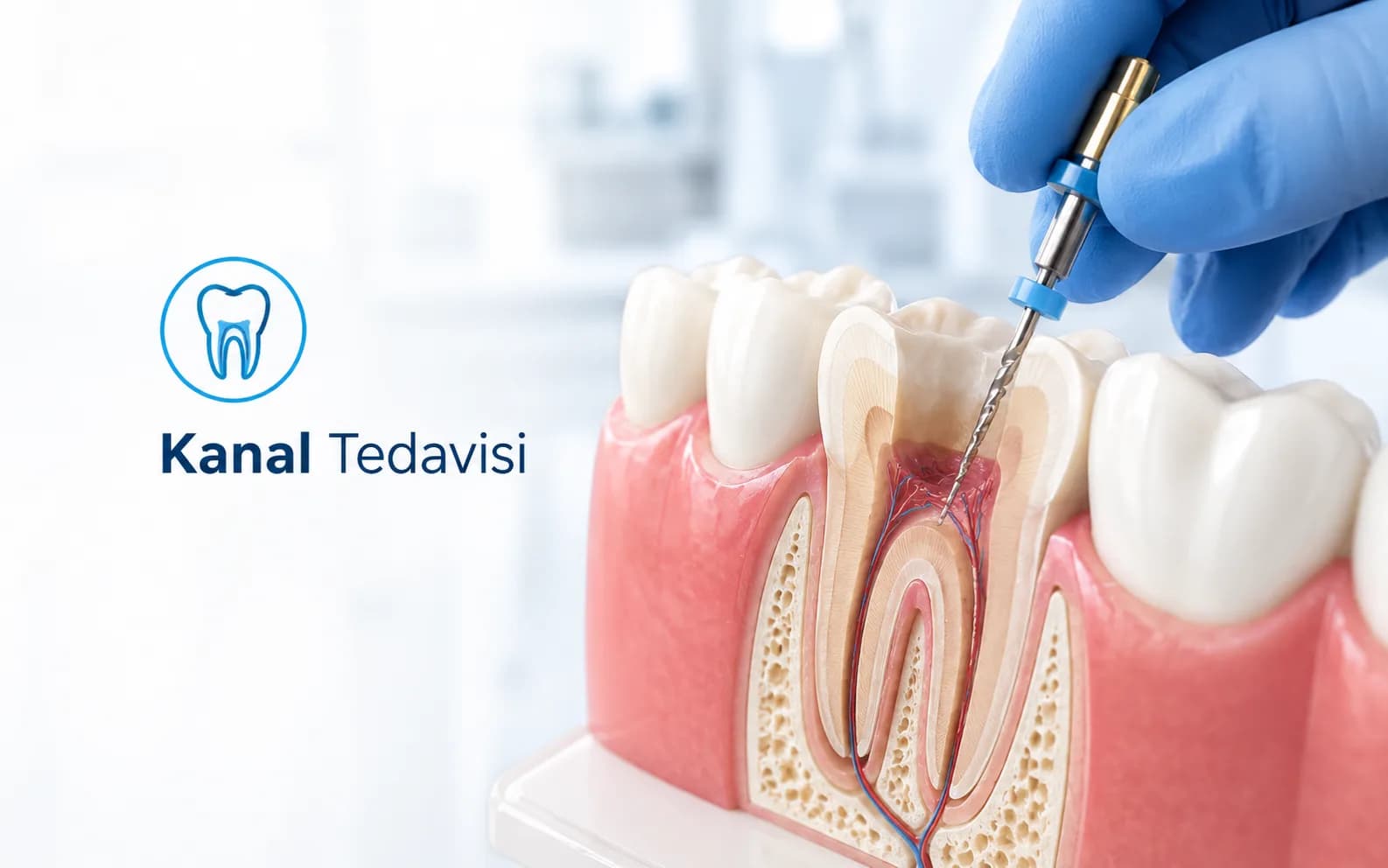
Removing infected nerve tissue from inside the tooth and sealing the canal so the tooth can be kept instead of extracted.
 Cosmetic Dentistry
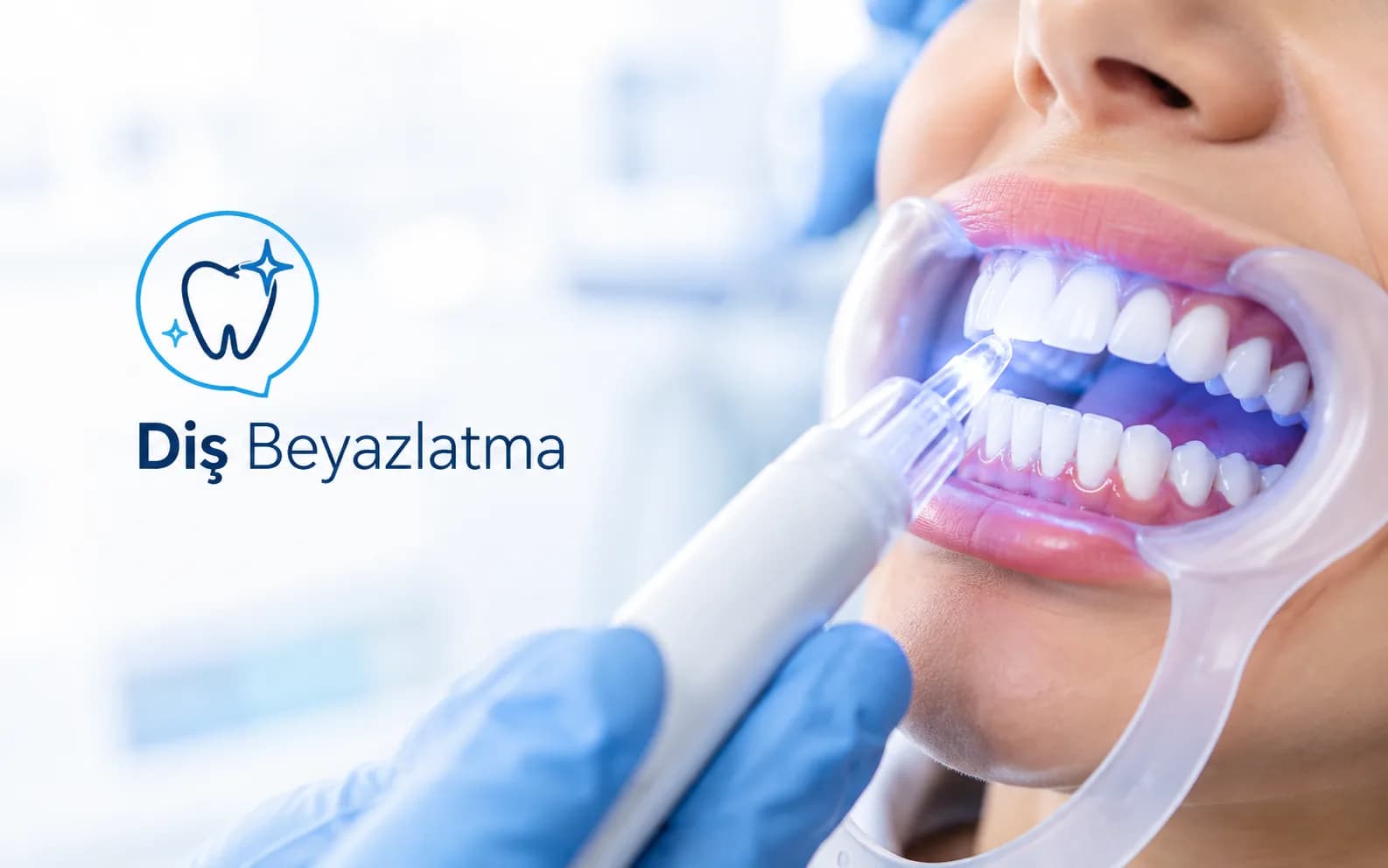
In-clinic and take-home whitening carried out under dental supervision, without removing or harming enamel.
 Orthodontics
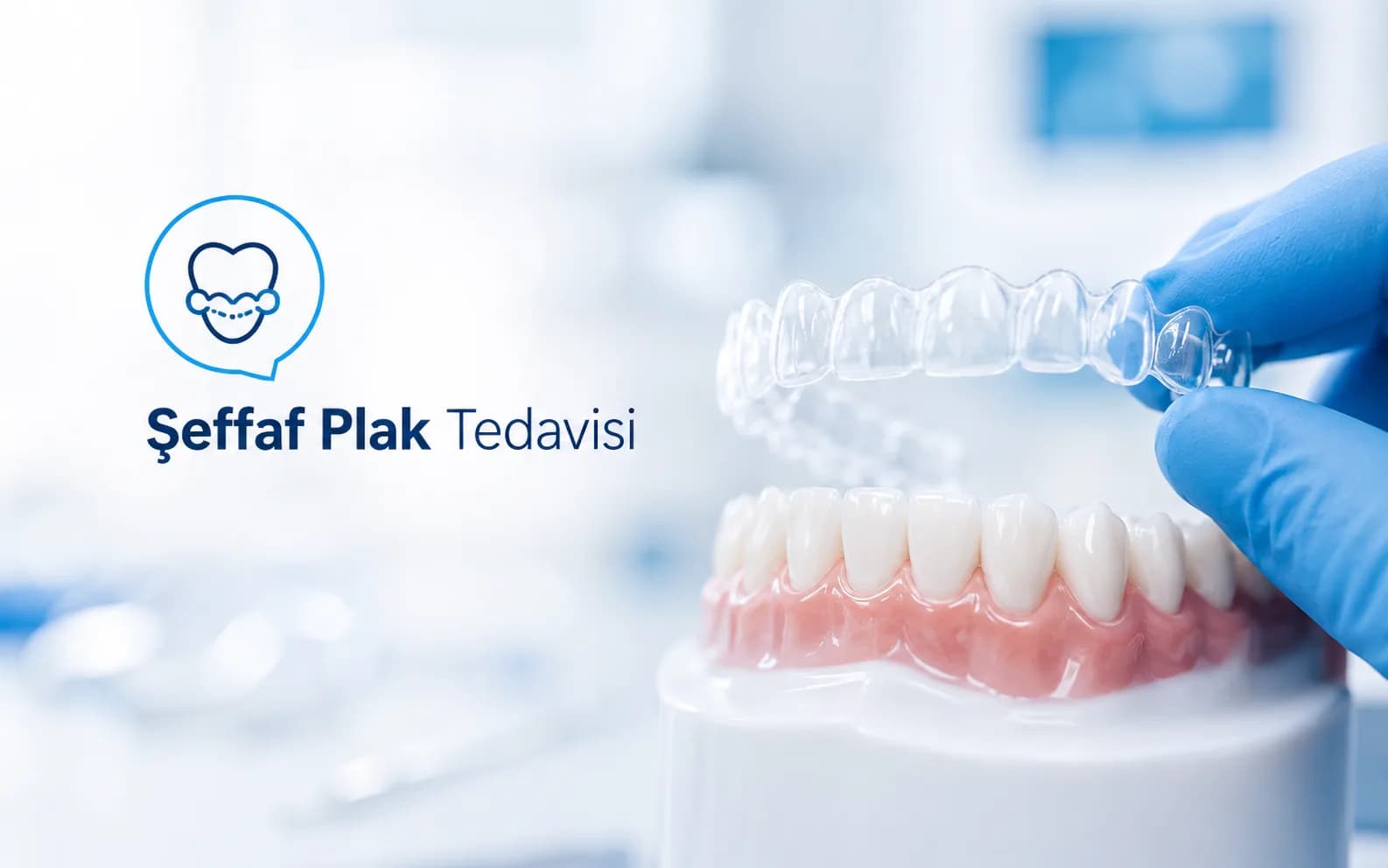
Orthodontic tooth movement achieved with a series of custom-made clear aligners, without any brackets.
Move the brush over the teeth and clear the plaque off all of them before time runs out. The back teeth carry thicker plaque — exactly as they do in real life.
Cut brushing short and some tooth surfaces never get reached. Two minutes is the minimum time needed to work around to every surface.
A toothbrush reaches only about two thirds of the tooth surface. The remaining gaps need floss or an interdental brush — that's exactly where most decay starts.
Pressing hard damages enamel and gums. Hold the brush at roughly a 45-degree angle to the gum line and move it in small circular motions.
Decay caught early is finished in a single visit; left unattended, it can progress to needing root canal treatment. A check-up is always shorter and easier than the treatment that follows neglect.
The game is for fun and does not replace an examination or treatment. Real brushing is twice a day, two minutes each time.
Book a check-upA digital workflow is not a showcase. It narrows the margin for error, shortens treatment and lets us show you what will be done before it is done.
Radiographic imaging is performed only when clinically necessary and at the lowest reasonably achievable dose.
Both jaws are imaged with a low radiation dose; decay, impacted teeth and bone level are all assessed together in a single image.
Digital scanning replaces traditional impression putty. It's more comfortable for patients with a pronounced gag reflex and gives the laboratory data accurate to the micron.
For aesthetic treatments, the proposed tooth length and shape are reviewed together on screen before any work begins.
Implant angle and depth are worked out in advance from tomography data, so placement follows that plan during the procedure.
We hear your concern, examine the mouth, and where needed take radiographs to build a clear picture of where things stand.
Treatment options, how long each takes and its pros and cons are explained; the final decision is made together.
Appointments are scheduled to suit you; pain control and comfort remain the priority throughout the procedure.
Once treatment is complete, a follow-up appointment and an oral care routine tailored to you are worked out together.
Every instrument used in the clinic follows a traceable route. We describe that chain here, because it is what a patient should know without having to ask.
As soon as instruments leave the treatment room, they go straight into a disinfectant solution.
Residue too small to see is removed mechanically in an ultrasonic bath.
Each instrument is individually pouched and sterilised in a 134 °C steam autoclave.
Each pouch's sterilisation indicator is checked before use, and the pouch is opened in front of you.
Two dentists work at the clinic and each carries out treatment personally. Knowing who does what beforehand is the shortest route to a relaxed first appointment.
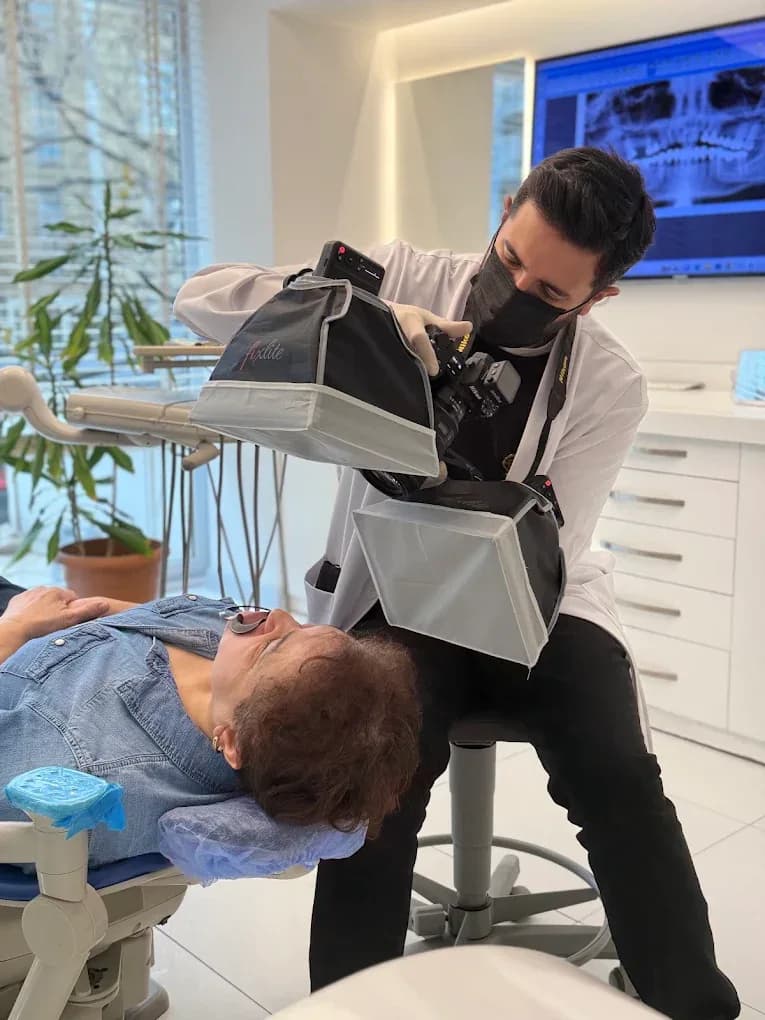
A graduate of Marmara University's Faculty of Dentistry, he regularly attends training in implantology and aesthetic restorative dentistry both in Türkiye and abroad, and begins every treatment with digital planning and a preventive mindset.
Details
Graduated from Marmara University's Faculty of Dentistry and completed her specialty in paediatric dentistry. Alongside treating decay in baby teeth and preventive care, she focuses on helping children feel at ease with the dental chair rather than afraid of it.
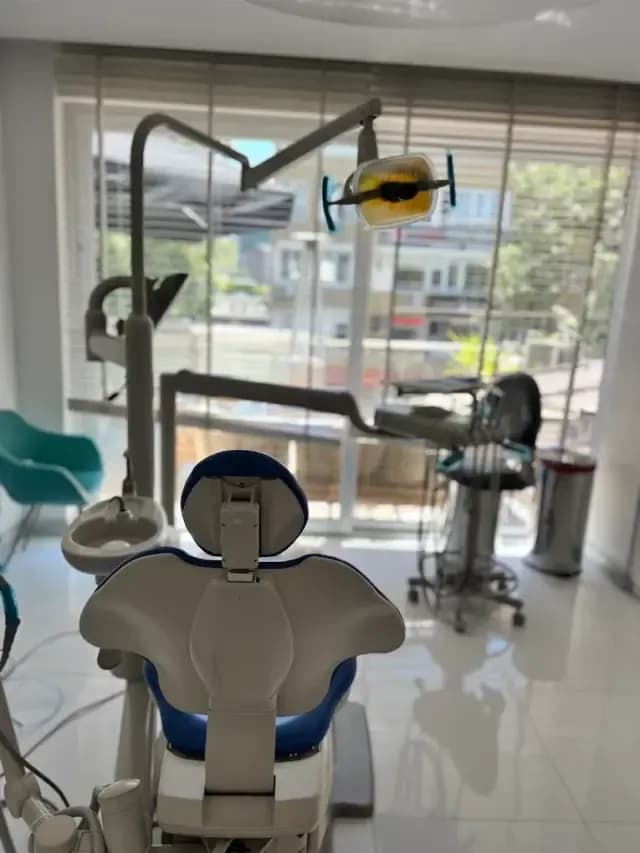
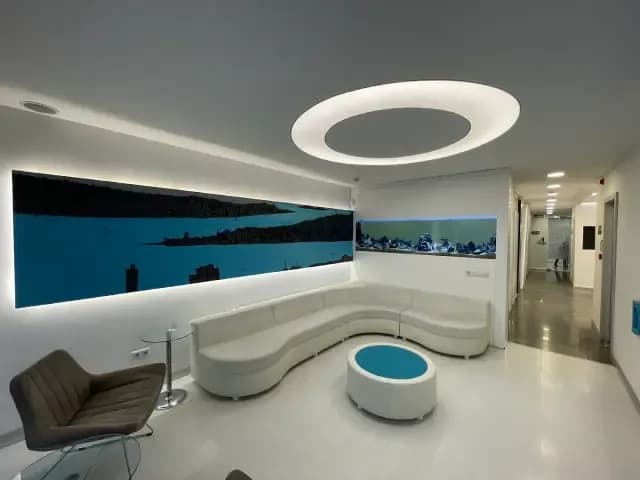
DetailsOur clinic in Caddebostan has a dedicated sterilisation unit, digital imaging equipment and separate treatment rooms.


If something else is on your mind, just write to us.
A first visit usually runs 30 to 40 minutes. We start by listening to your concern, then examine the mouth and, if needed, take a panoramic X-ray. Together we go over the findings, your treatment options and roughly how long each would take. Provided there's no acute pain, starting treatment on the same day isn't required — you're free to take your time reviewing the plan before deciding.
We work under local anaesthetic so that you don't feel any pain. A numbing gel is applied to the area before the injection, and the injection itself is given gently and slowly. Before starting, we confirm the numbness has taken effect and add more if needed. If anything feels uncomfortable partway through, just raise a hand and we'll pause immediately.
Yes. Leaving a dental infection untreated is riskier than treating it. The most comfortable time is the second trimester (weeks 14–27), while emergencies are dealt with at any stage of pregnancy. X-rays are taken only when truly necessary and always with a lead apron. Please let us know before your appointment that you're pregnant, how far along you are, and any medication you're taking.
In most cases yes — but never stop your medication on your own. Discontinuing an anticoagulant can lead to consequences far more serious than the risk of bleeding. Bring the name and dose of your medication, plus your latest INR reading if you have one, to the appointment; where necessary we'll liaise with your physician and plan the procedure accordingly.
The radiation dose from digital dental films is extremely low — a single panoramic image is roughly in line with the natural background radiation you'd absorb during a few hours of flying. Even so, we only take an X-ray when it's clinically justified, and always at the lowest dose that will do the job. That principle is followed even more carefully during pregnancy, with children, and in cases that would otherwise call for frequent imaging.
For an adult with no complaints, a check-up every six months is generally enough. If you have a history of gum disease, smoke, are prone to decay, or are wearing braces, aligners or implants, that interval can drop to as little as three months. A check-up isn't about waiting until something hurts — it's about spotting problems while they're still minor.
Current writing on treatments, oral care and common misconceptions.
Book an appointment: we will assess where things stand and talk through the options and how long each takes.
0 533 400 88 62Your request is confirmed the same day.
You do not need to know which treatment you need. Pick whichever line below sounds closest to your situation — the relevant treatments and what to expect are explained there.
An illustration of the booking flow; it contains no real patient correspondence.