
Root Canal Treatment
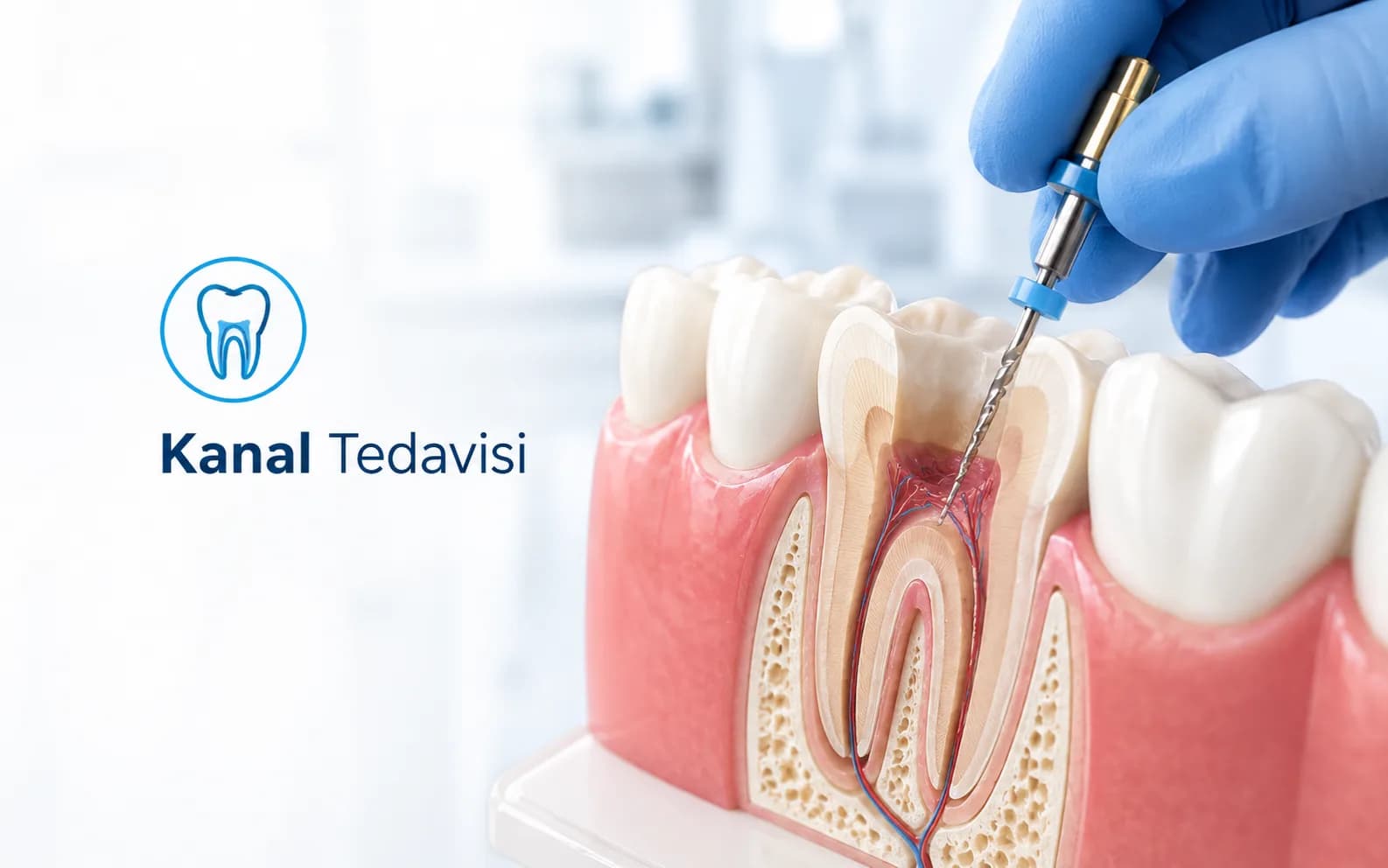
Removing infected nerve tissue from inside the tooth and sealing the canal so the tooth can be kept instead of extracted.
- Average duration
- 60 minutes
- Sessions
- 1-2 seans · üst yapı için ayrı randevu
Why is a root canal needed?
Inside each tooth sits a soft tissue of blood vessels and nerve fibres called the pulp. When deep decay, a crack, or repeated dental work reaches this tissue, it becomes inflamed and cannot heal on its own. Root canal treatment removes the inflamed tissue and seals the canal tightly, letting the tooth stay in the mouth rather than being pulled.
Preserving a natural tooth outperforms even the most advanced implant, since it keeps its bond to the jawbone and the fine sensory network surrounding it.
What are the warning signs?
Lingering pain triggered by hot or cold, throbbing that worsens at night, a sharp jolt when biting down, darkening of the tooth, or recurring swelling and drainage at the gumline. In some cases there are no symptoms at all, and the inflammation is only spotted at the root tip on a routine X-ray.
How the procedure unfolds
1. Numbing and isolation
The tooth is first numbed with local anaesthetic. It is then isolated from saliva using a rubber dam. This step cannot be skipped — keeping the canal free of contamination is what determines whether the treatment succeeds.
2. Cleaning the canal system
Access is made through the top of the tooth and the infected tissue is removed. The canals are shaped with fine instruments and irrigated with disinfecting solutions; their length is confirmed both electronically and on X-ray.
3. Filling the canal
Once cleaned, the canal is completely filled with a biocompatible material, most often gutta-percha. Depending on how extensive the infection was, this can be finished in a single visit, or a temporary medication may be left inside the canal between appointments.
4. Completing the restoration
A treated tooth becomes more brittle over time, so a crown or onlay is recommended, especially for back teeth — a tooth left with only a filling carries a noticeably higher fracture risk. This step belongs to the treatment itself, not an optional extra.
Does it hurt?
Once numbed, root canal treatment feels no different from having a routine filling placed. Any pain beforehand comes from the infection that made treatment necessary in the first place. Mild tenderness when chewing for a few days afterward is normal and eases with simple pain relievers.
Outcome and check-ups
A properly performed root canal has a high long-term success rate. Healing at the root tip, however, takes several months and needs to be monitored on X-ray, which is why check-ups are scheduled at six and twelve months.
This page is general information and does not replace a dental examination. Whether the treatment suits you, and the method and duration, are decided only after an intraoral examination and radiographic assessment.
After treatment
- Avoid chewing on that side and biting your lip until the numbness fades (about 2-3 hours).
- Don't bite down on hard food with that tooth until the final restoration is in place.
- Mild sensitivity while chewing is normal for the first few days; take the recommended pain reliever.
- Contact the clinic if you notice swelling, fever, or worsening pain.
- Don't delay your crown or filling appointment — the fracture risk rises the longer you wait.
- Attend your six- and twelve-month follow-up visits.
Frequently asked about this treatment
Is root canal treatment really as painful as people say?
This is one of dentistry's most stubborn misconceptions. The bad reputation comes not from the treatment itself but from the inflammation that makes it necessary in the first place. Once the tooth is numb, the procedure feels much like getting a filling. It's normal to notice mild tenderness on chewing for a few days afterwards, and simple painkillers deal with it easily.
Do I have to have a crown fitted after root canal treatment?
For back teeth, yes, it's needed. A tooth that's had root canal treatment loses its internal moisture and nutrient supply, which leaves it brittle; if it's left with only a filling, the risk of a vertical crack rises noticeably, and that kind of fracture usually means the tooth has to be extracted. A crown or onlay should be seen as part of the treatment, not an optional extra.
The information on this page is for general guidance and does not replace a dental examination. Treatment decisions are made after an intraoral examination and radiographic assessment.
Related treatments
Is this treatment right for you?
After an examination and radiographic assessment we can discuss whether this is the right option for you.
0 533 400 88 62Your request is confirmed the same day.