
Zirconia Crowns
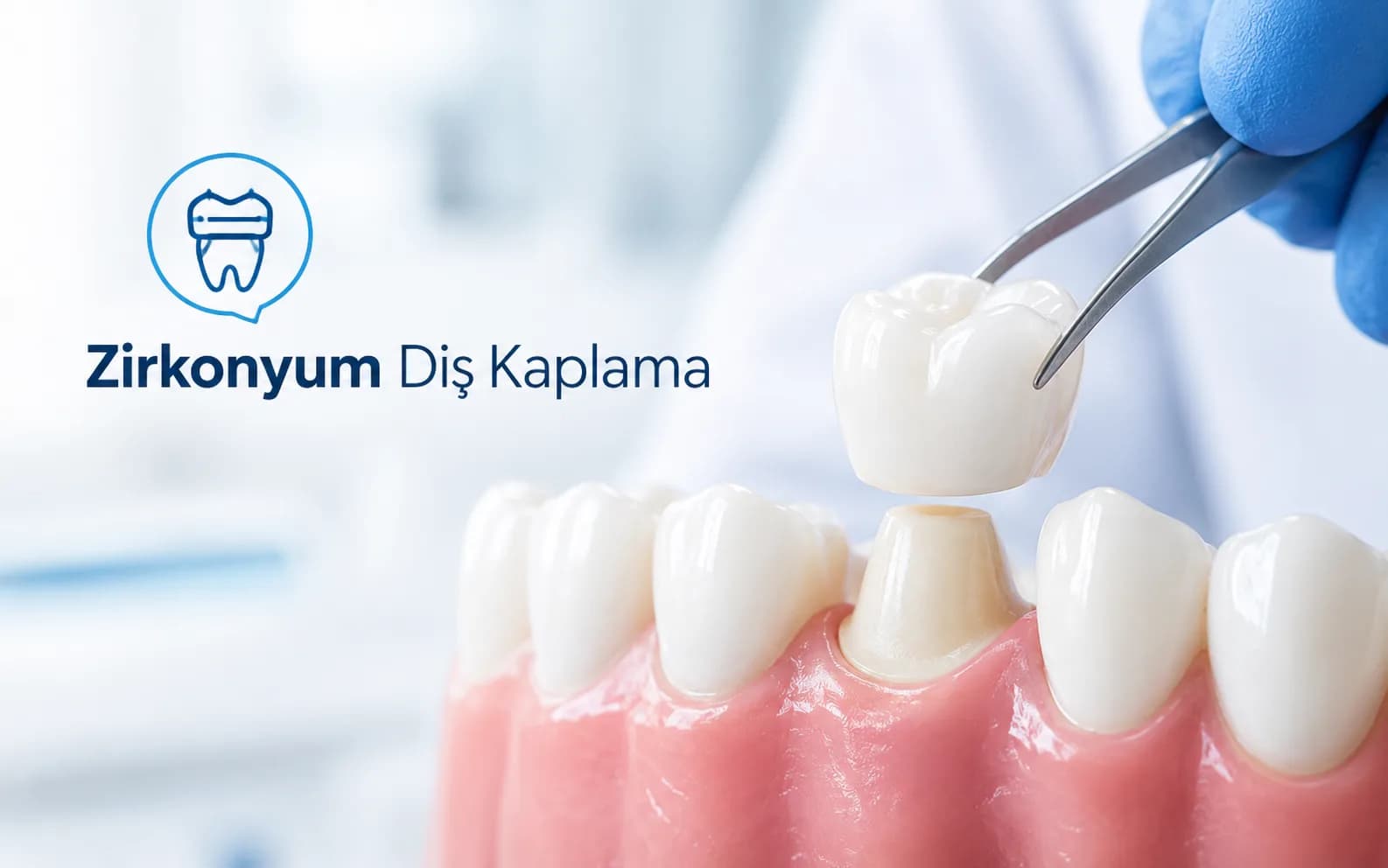
Metal-free crowns built on a zirconia core that transmit light much like a natural tooth, used to restore teeth with significant loss of structure.
- Average duration
- 60 minutes
- Sessions
- 2-3 randevu · ölçüden teslime 5-10 gün
What is zirconia?
Zirconium dioxide is a strong, white ceramic material. In metal-backed crowns, the substructure blocks light entirely, which makes the tooth look lifeless and can leave a grey line at the gum margin over time. Zirconia has no metal component, so its light transmission is closer to that of a natural tooth and discolouration at the gum edge is not expected.
Crown versus filling
A crown wraps around the entire tooth and calls for reducing some sound structure, so it isn't the answer for minor defects. It suits cases such as:
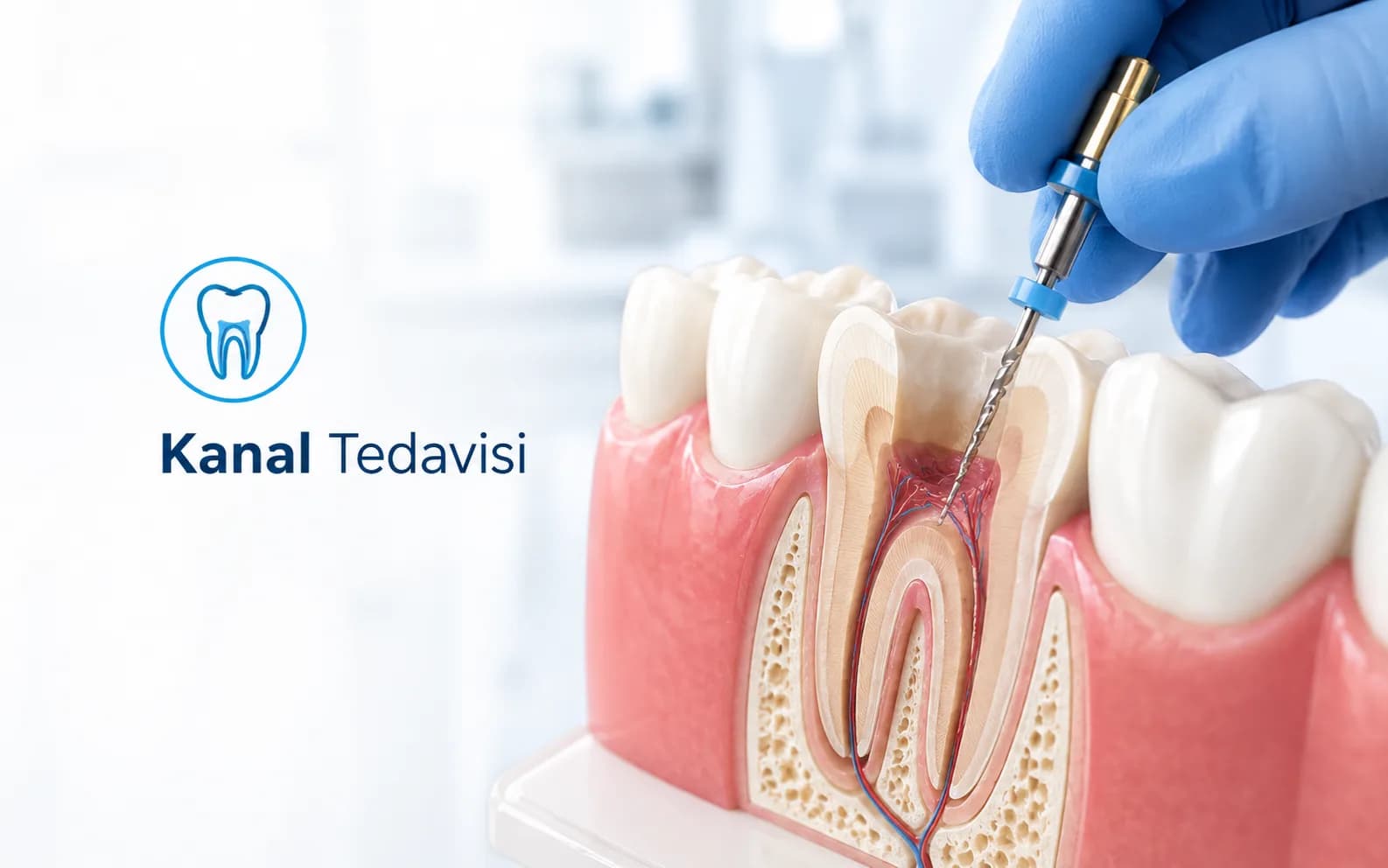
- Root-canal-treated back teeth that have grown brittle
- Teeth where a large filling keeps breaking
- Teeth that have lost their shape to fracture or heavy wear
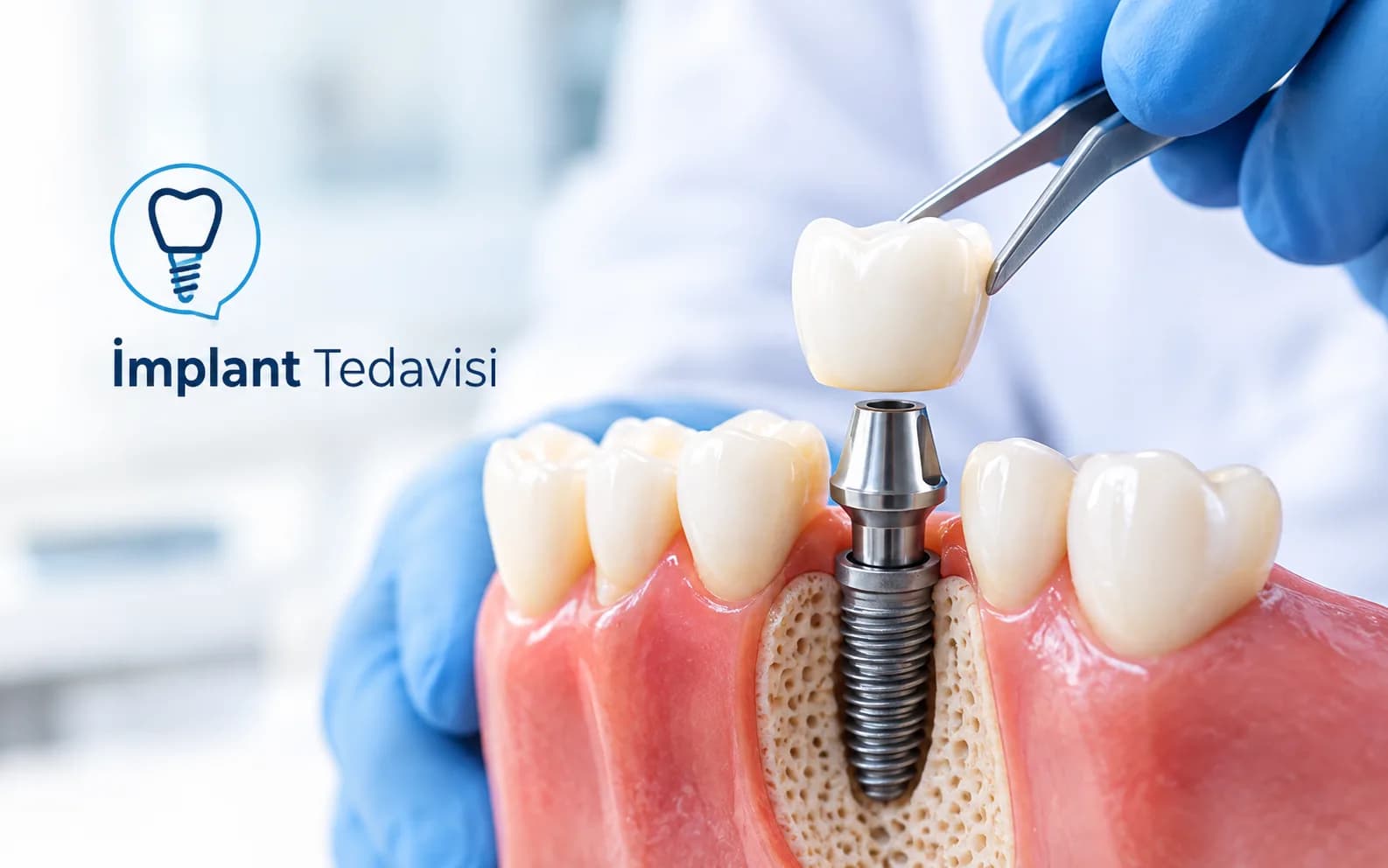
- Teeth serving as a bridge abutment or topping an implant
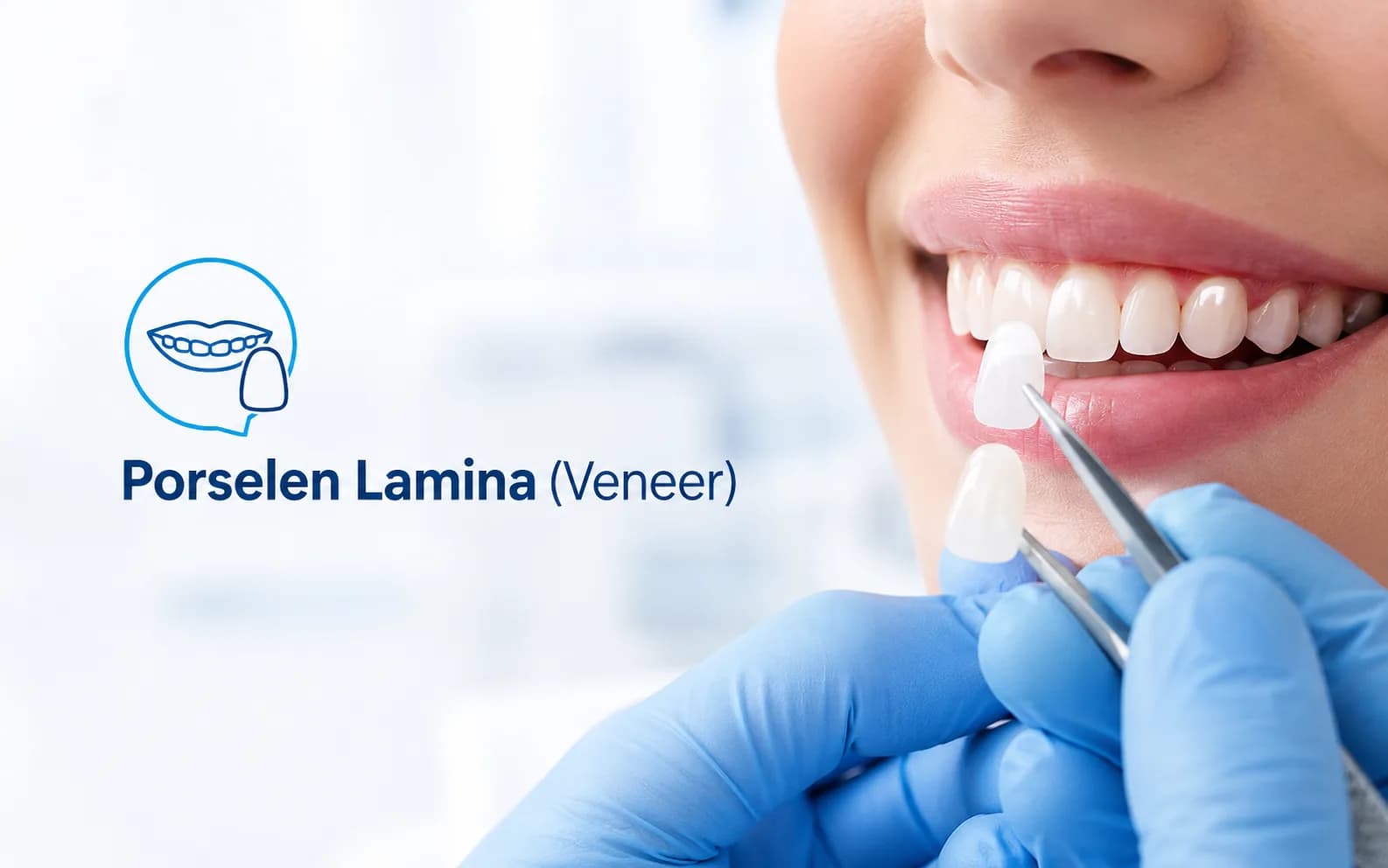
When a gentler option would do the job, a crown isn't advised — bonding, inlays/onlays or veneers preserve more of the tooth. That comparison is worked through together during the exam.
How treatment proceeds
- Planning. Intraoral exam, radiographs and shade matching. In the aesthetic zone, digital smile design lets you review the proposed shape on screen first.
- Preparation. Under local anaesthetic, the tooth is reduced by the thickness the crown needs.
- Impression. Taken either with an intraoral scanner or a conventional impression.
- Temporary crown. The tooth stays covered throughout the lab stage.
- Fitting and cementation. Fit, bite and shade are all checked before the crown is permanently cemented.
Care and longevity
Zirconia itself cannot decay, though the tooth beneath it can. How long the crown lasts depends largely on gum health at the margin and on daily interdental cleaning. Anyone who clenches or grinds (bruxism) should use a night guard — without one, the ceramic is more likely to crack.
An annual check-up with professional cleaning is advised.
What to expect
Shade and shape are planned to blend with your natural teeth, though ceramic can never be an exact match for the living texture of a natural tooth's surface. The colour of neighbouring teeth, gum level and lip line all play a part in the final result, and these points are discussed before treatment begins.
This page is general information and does not replace a dental examination. Whether the treatment suits you, and the method and duration, are decided only after an intraoral examination and radiographic assessment.
After treatment
- Avoid very hard foods for the first 24 hours after cementation.
- Clean between teeth daily with interdental brushes or floss — decay tends to start under the crown margin.
- Wear your night guard consistently if you clench or grind.
- Don't bite down on ice or shelled nuts.
- Start on a low setting if you use a water flosser.
- Keep up your annual check-up and professional cleaning.
Frequently asked about this treatment
What sets a zirconia crown apart from a metal-backed one?
With a metal-backed crown, the underlying framework blocks light, so the tooth can look flat and lifeless, and if the gum recedes over time a grey line can show at the edge. Zirconia has no metal in it, its light transmission is much closer to a natural tooth, and that kind of discolouration isn't expected. Both hold up well enough for everyday use; the choice usually comes down to where the tooth sits and how much the patient prioritises appearance.
The information on this page is for general guidance and does not replace a dental examination. Treatment decisions are made after an intraoral examination and radiographic assessment.
Related treatments
Is this treatment right for you?
After an examination and radiographic assessment we can discuss whether this is the right option for you.
0 533 400 88 62Your request is confirmed the same day.