
Scaling and Oral Hygiene
Ultrasonic removal of tartar and plaque, followed by polishing and personalised guidance on daily oral care.
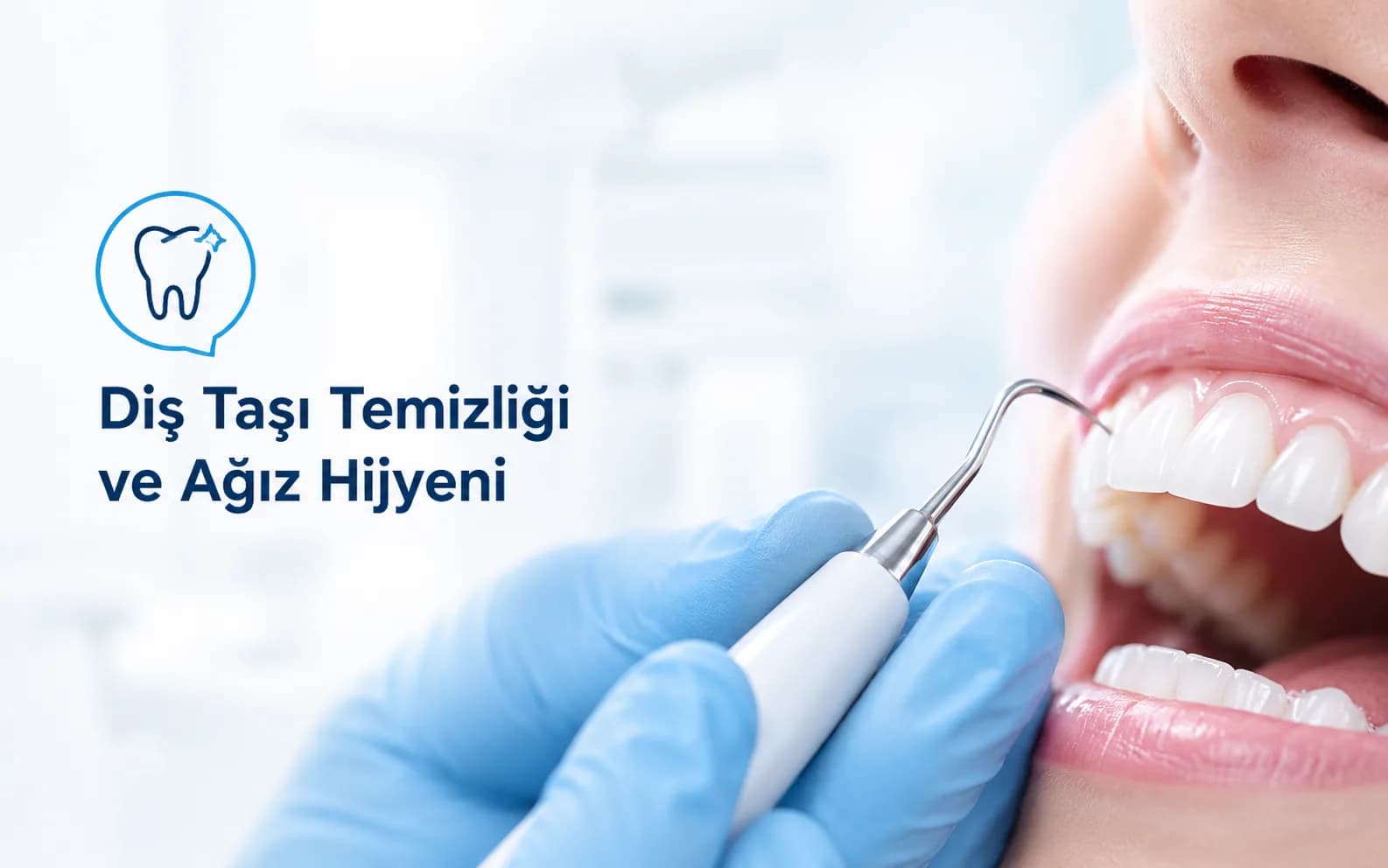
- Average duration
- 40 minutes
- Sessions
- Tek seans · yılda 1-2 kez önerilir
What does it do?
A toothbrush can only clear soft plaque from the surface; it cannot touch tartar once it has hardened. Tartar is a rough layer that harbours bacteria, and it is where gum inflammation, bad breath and, eventually, bone loss all begin.
A frequently heard misconception
Many people believe that scaling thins the teeth and opens gaps between them. In fact, ultrasonic tips act on the tartar itself, not on the enamel. The gap noticed afterwards is simply the space the tartar had been occupying — it was there all along, just hidden. As gum inflammation eases and swelling goes down, teeth can also appear a little longer for a while, which is entirely normal.
How does the procedure proceed?
Tartar is first broken up with an ultrasonic tip, remaining spots are finished with hand instruments, and the surface is polished last. Polishing is not just cosmetic — plaque builds up more slowly on a smooth surface.
The appointment usually takes 30 to 45 minutes and requires no anaesthesia. Local anaesthesia may be chosen for patients with gum recession or marked sensitivity.
How often should it be done?
Once or twice a year is enough for most people. That interval may shorten for smokers, those with a history of gum disease, and patients undergoing orthodontic treatment.
This page is general information and does not replace a dental examination. Whether the treatment suits you, and the method and duration, are decided only after an intraoral examination and radiographic assessment.
After treatment
- Sensitivity to hot and cold for a few days afterwards is possible; a desensitising toothpaste can help.
- Avoid very hot, very cold and acidic drinks for the first 24 hours.
- Add an interdental brush or floss to your daily routine.
- Replace your toothbrush every three months.
- Plan your next cleaning appointment ahead of time.
The information on this page is for general guidance and does not replace a dental examination. Treatment decisions are made after an intraoral examination and radiographic assessment.
Related treatments
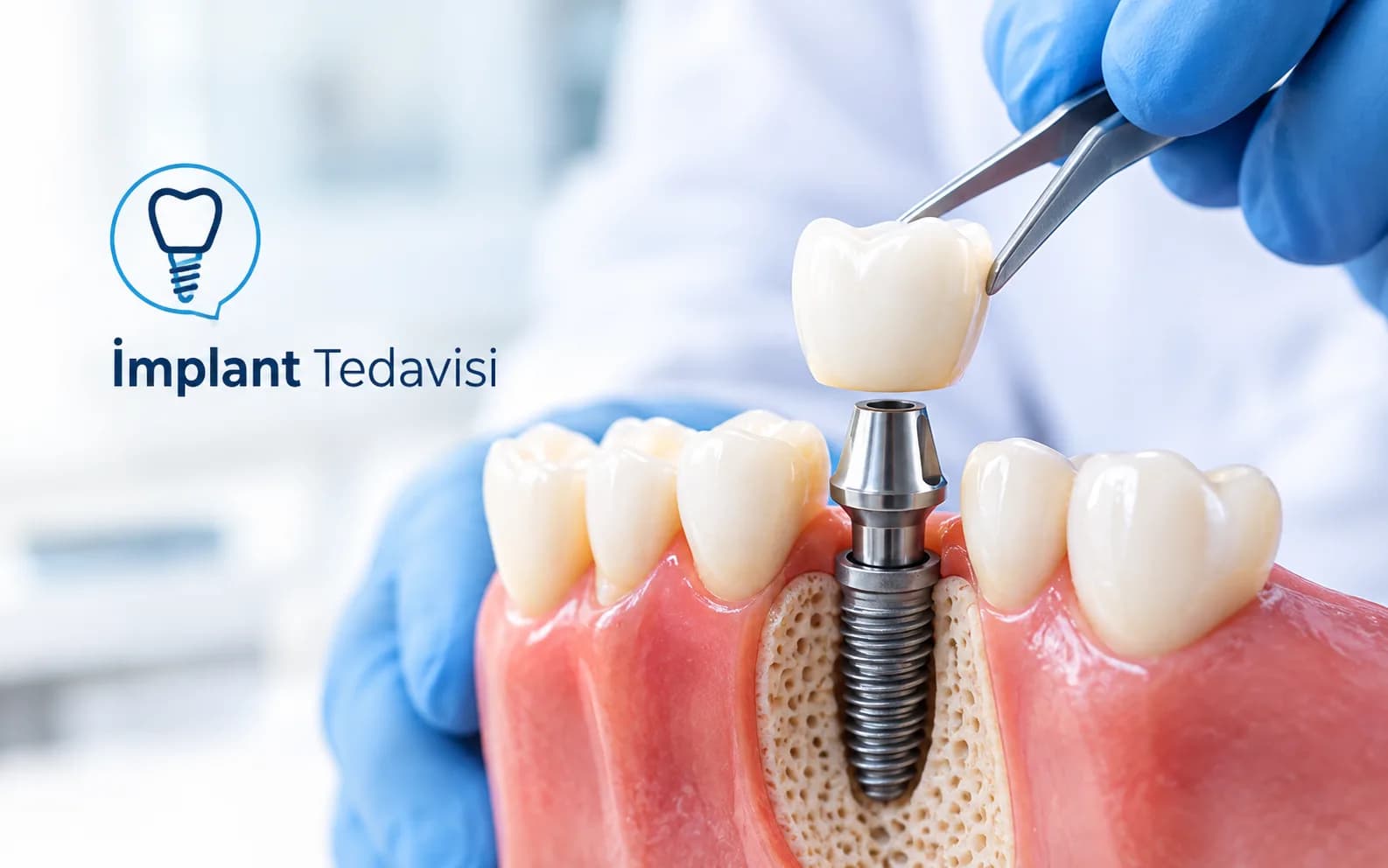
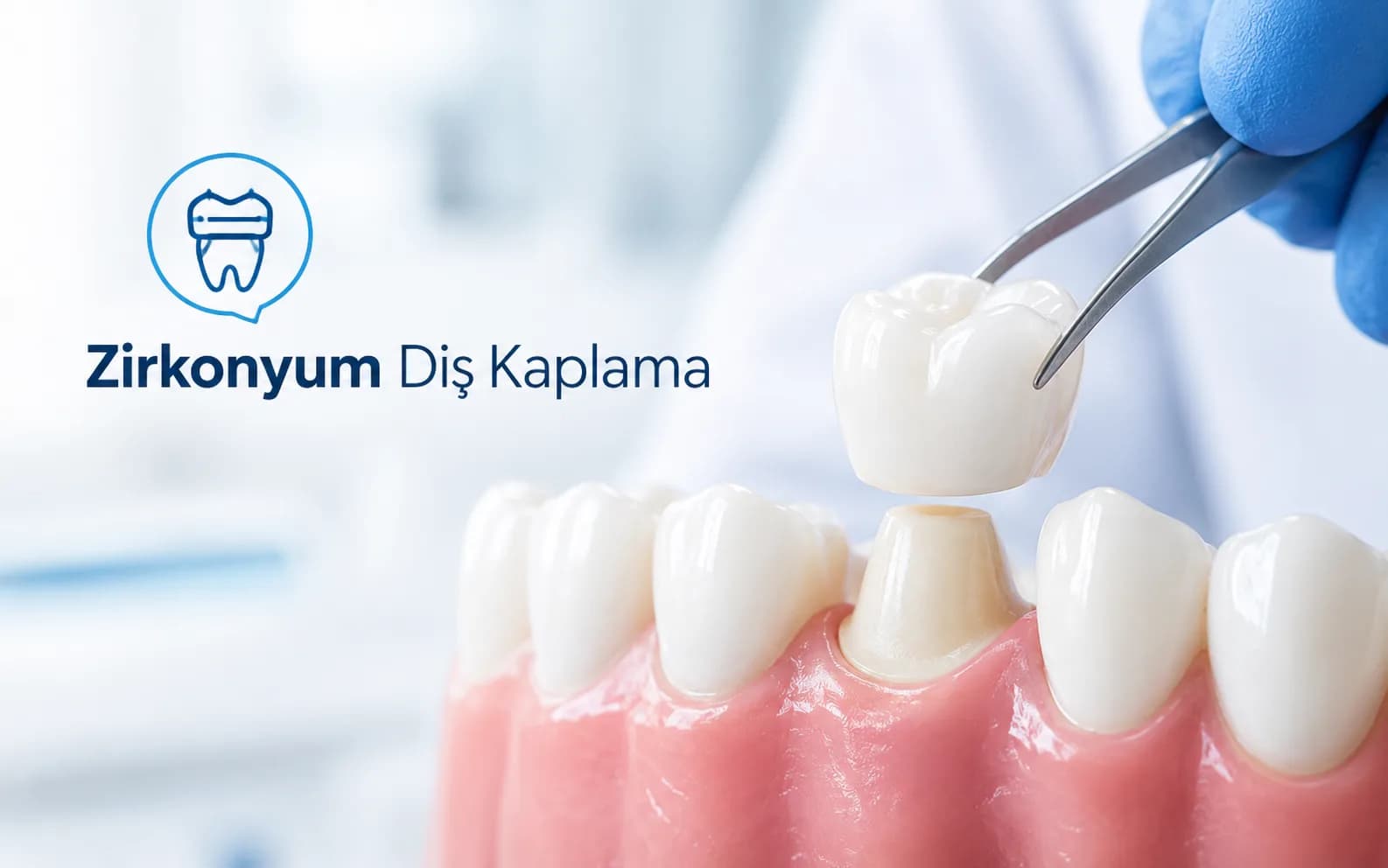
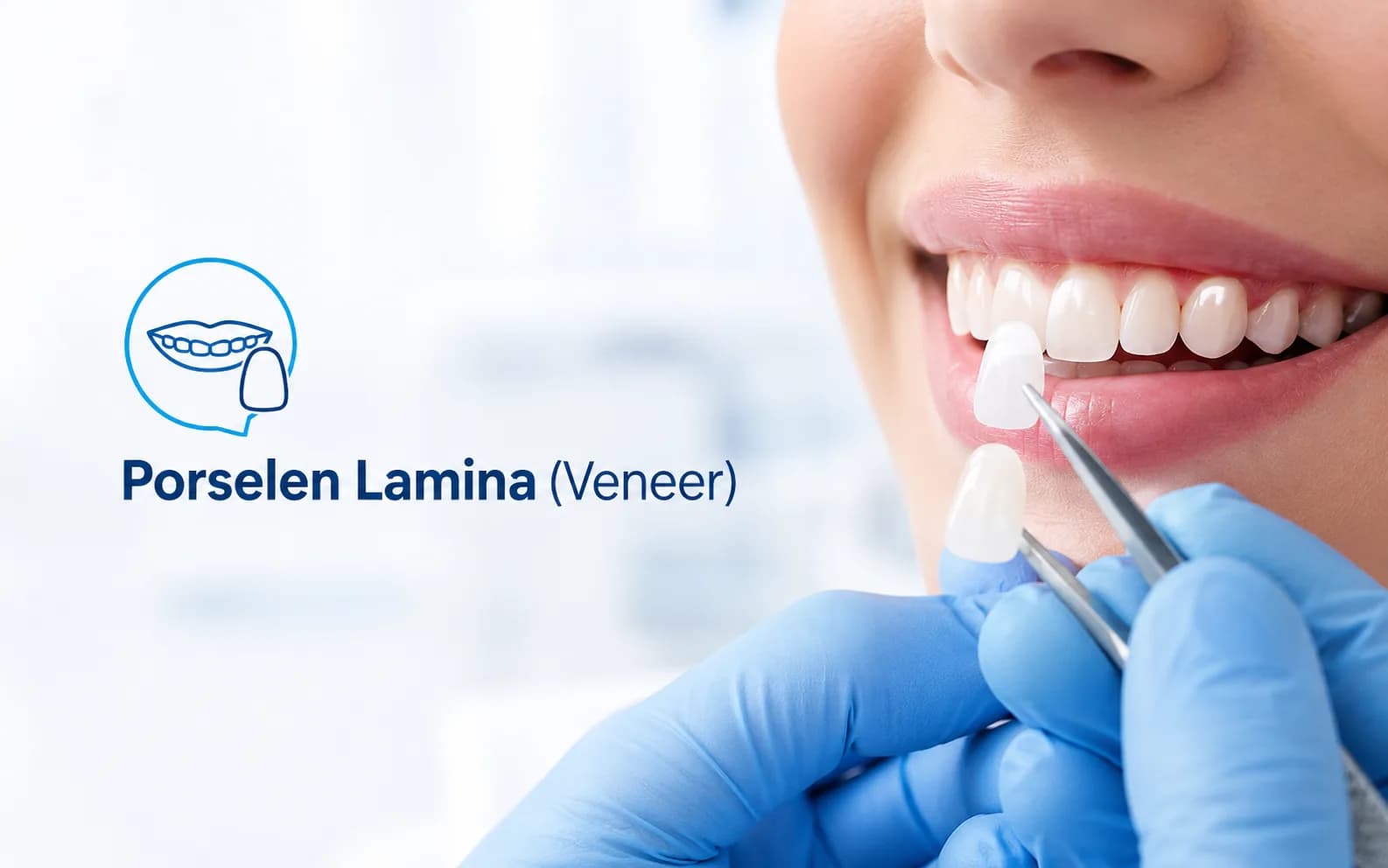
Is this treatment right for you?
After an examination and radiographic assessment we can discuss whether this is the right option for you.
0 533 400 88 62Your request is confirmed the same day.